



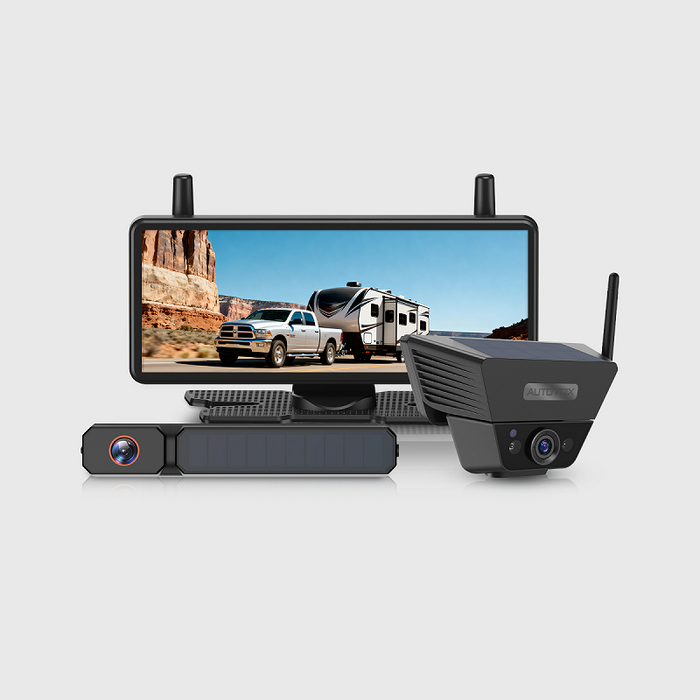


Is installation of AUTO-VOX backup cameras complicated?

Drive Smarter Every Day — Safer Parking, Clearer Vision.
Drive Smarter Every Day — Safer Parking, Clearer Vision.
Perfect for city driving, trailers, and family vehicles.

AUTO-VOX Solar5 Series
One Fixed, One Flexible
From Daily Commute to Weekend Haul—Snap, Sync, and Go on Any Vehicle.

New AUTO-VOX WF Series
Three Cameras.
One Safer RV Journey.
Modular, Expandable, Made for RVs.

ABOUT
AUTO-VOX
Trusted by 500,000+ Drivers Worldwide.
The smarter way to see what’s behind.

Worldwide Shipping
Available in more than 20 countries.
SUPPORT 24/7
24/7 Support, anytime you need it.
100% PAYMENT SECURE
Shopify official payment, 100% secure payment guaranteed.
30-Day Return Policy
Support 30-day no-reason return and exchange.
Quick Finder

With DVR
For Cars & SUVs
For RV
For Trailers
Multi-camera
Rearview Mirror
Top Picks for Every Driver
Shop by Category
Camping & RVing
Explore freely. Park anywhere.

Towing & Trailers
Hook up. Back up right.

Daily Commute
Park easy. Stay safe.

Power & Connection

Solar Series
Dual power supply — solar + USB, no wiring needed. Install in 1 minute, enjoy stable 500+ ft signal across all vehicle types. Smart, effortless, and eco-friendly.

Wireless Series
Strong signal, zero hassle. Powered by AutoLink™ 2.4GHz transmission for stable, long-distance performance. Just connect the camera to the reversing light, plug in the monitor — and drive with confidence.

Wired Series
Classic connection, ultimate reliability. Hardwired setup ensures real-time, interference-free video at all times. Built for family vehicles that value consistency and durability.


Drive with Confidence & Ease
Founded in 2007, AUTO-VOX specializes in auto safety electronics.
We offer a complete range of products —wired, wireless, and solar-powered-focused on making driving safer and easier.
What Our Customer Say
Steven Tucker
⭐️⭐️⭐️⭐️⭐️

“We got few wireless back up camaras from Auto-Vox. It's easy to install and have good signal. I've used it for travel trailer so it's about 30' from the camara to monitor and still works really good. Very happy with the products. Reliable company.”
Solar4 A 1080P Wireless Backup Camera

Jerry
⭐️⭐️⭐️⭐️⭐️

I don't usually write reviews, but I must in this case! ! had some trouble at first. These folks walked me through and even sent replacement equipment. Awesome!! Very good quality...clear, easy to instaall..
Solar3A Plus 1080P Wireless Backup Camera
Adan
⭐️⭐️⭐️⭐️⭐️

Unfortunately we had some trouble with our reversing camera. We contacted Auto-Vox and corresponded with Kaya. Excellent customer service which is seldom nowadays. Always quick to respond and very professional.
Solar3A Plus 1080P Wireless Backup Camera
sgallery
⭐️⭐️⭐️⭐️⭐️

I purchased a back up camera from my Rv last year September 2023 and was so impressed I opted to purchase another one to use as a trail camera on the front of my jeep while offroading for this year while we are in Arizona, important to see what you are about to go over before you actually climb onto it.
V5 Pro 1080P Rear View Mirror Dash Cam
John
⭐️⭐️⭐️⭐️⭐️

Mounted to the bottom of the license plate. Trunk handle is on top. Very clear image and strong connection. Installation instruction were clear and concise. I would recommend.
Solar4 A 1080P Wireless Backup Camera
Sandra
⭐️⭐️⭐️⭐️⭐️

I ordered a solar 1 back up camera very easy to fit and use hardest thing was to get the number plate off the car very good product at a good price delivery was 4
day
V5 Pro 1080P Rear View Mirror Dash Cam
BlogS

By AaliyahGloria
Guides
Jun 05, 2026
A better campsite can make an average trip feel easy, comfortable, and surprisingly peaceful.
A bad one can do the opposite. Too much sun can turn the tent or RV into an oven by afternoon. Soft ground can make setup frustrating. Wind exposure can turn a quiet night into a noisy one. A low spot can become muddy fast after rain. And a site that looked fine when you first pulled in can feel very different once you start unloading.
That is why choosing a campsite is not just about finding an empty space and hoping for the best. A smarter campsite choice helps with comfort, safety, privacy, sleep, and overall trip enjoyment.
This guide breaks down what actually matters when choosing a better campsite, whether you are car camping, traveling in an RV, or setting up for a summer weekend outdoors.
Quick Checklist: What to Look for in a Better Campsite
| What to Check | Why It Matters |
|---|---|
| Shade | Helps keep the site cooler and more comfortable in summer |
| Ground condition | Makes sleeping, parking, and setup easier |
| Drainage | Reduces the chance of pooling water and mud after rain |
| Wind exposure | Affects comfort, cooking, sleep, and gear stability |
| Safety hazards | Helps you avoid dead branches, unstable ground, and traffic issues |
| Privacy and noise | Improves rest and overall campground experience |
| Access and parking fit | Makes arrival, backing in, and departure much easier |
| Distance to amenities | Helps you balance convenience with peace and quiet |
1. Start With Shade, Especially in Summer
If you are camping in warm weather, shade should be one of the first things you notice.
A site with good shade can help keep:
- your tent cooler during the day
- your RV or vehicle from overheating as quickly
- your outdoor sitting area more usable in the afternoon
- food and gear less exposed to direct heat
This does not mean every shaded site is perfect. Dense tree cover can also mean more bugs, less airflow, and more debris falling onto your vehicle or tent. But in summer, some shade is often one of the biggest comfort upgrades a campsite can offer.
Try to think about where the sun will be later, not just where it is when you arrive. A site that feels pleasant in the late afternoon may be fully exposed by early morning, or vice versa.

2. Look Closely at the Ground Before You Commit
The ground tells you a lot about how comfortable the site will really be.
Check whether the site is:
- level or heavily sloped
- rocky or root-filled
- soft and sandy
- muddy or compacted
- easy to walk on and sleep on
For tent campers, this affects sleeping comfort and whether stakes will hold properly. For RV users, it affects leveling, tire placement, and how easy it will be to park safely.
Even if a site looks scenic, a poor ground surface can make setup much harder than necessary.
3. Avoid Low Spots That Could Collect Water
One of the easiest campsite mistakes is choosing a spot that looks flat but sits lower than the surrounding area.
Low spots can become a problem after rain because water naturally collects there. Even if the forecast looks good, a better campsite usually has decent natural drainage and does not feel like the lowest bowl in the area.
Warning signs include:
- muddy patches when nearby ground is dry
- ruts or worn channels
- dark damp-looking soil
- grass wear patterns that suggest water flow
If rain arrives overnight, a slightly higher, better-draining site can make a huge difference.
4. Think About Wind Before You Set Up
Wind can completely change how a campsite feels.
A windy site may affect:
- tent stability
- awnings and outdoor gear
- camp cooking
- sleep quality
- overall comfort when sitting outside
Look for natural wind breaks such as trees, terrain, or other landscape features, but avoid places where unstable branches could become a problem. A little shelter from the wind often makes a site feel much more livable.
5. Check for Safety Hazards Above and Around You
A campsite can look peaceful and still have obvious risks once you stop and inspect it properly.
Before choosing a spot, look for:
- dead or hanging branches above the site
- unstable trees
- loose rocks or steep edges nearby
- fire pit placement that feels awkward or unsafe
- traffic flow if the site is close to a road or campground lane
This is especially important in summer, when storms, wind, and crowded campgrounds can make small risks more noticeable.
A better campsite should feel calm, but it should also feel safe.
6. Decide How Much Privacy You Actually Want
Some campers want to be close to the action. Others want as much quiet and separation as possible.
Neither choice is wrong, but it helps to be intentional.
Ask yourself:
- Do I want easy access to bathrooms and water?
- Do I mind hearing nearby campers?
- Do I want more distance from roads and playgrounds?
- Will I care if people walk close to my site often?
A site near the center of a campground may feel more convenient, but it may also be noisier and less private. A site farther out may feel quieter, but less convenient after dark or during repeated trips to campground facilities.
The best campsite is often the one that matches your camping style, not just the one that looks best in a quick photo.

7. Make Sure the Site Actually Fits Your Vehicle or Setup
This matters more than many travelers expect.
A campsite can look open enough until you try to park, back in, open doors, extend steps, or position an RV correctly.
Before choosing, think about:
- vehicle length
- turning angle
- back-in or pull-through access
- clearance for mirrors, slides, or awnings
- how easy it will be to leave the next morning
If you are traveling in an RV or with a trailer, campsite choice is also a visibility issue. A site that is technically possible but awkward to enter may not be the best choice if arrival is late or the light is fading.
That is one reason many travelers value stronger rear visibility tools when parking larger rigs in tighter campgrounds.
8. Balance Convenience With Noise
Nearby amenities can be helpful, but they can also bring traffic and noise.
A site close to:
- bathrooms
- water access
- dump stations
- camp stores
- play areas
may be more convenient, but not always more peaceful.
If your main goal is a quiet, restful stay, a slightly less central site may be a better choice. If you are camping with kids or want fewer walks back and forth, being closer to amenities may be worth it.
The point is to choose consciously instead of assuming closer is always better.
9. Walk the Site Before You Finalize It
If possible, do not choose a campsite only from the driver seat.
Walk it first.
Once you are on foot, you notice things much faster:
- ground slope
- tree roots
- muddy patches
- proximity to neighbors
- space for chairs, cooking, or gear
- how the site actually feels
A site that looks fine from the road can feel awkward, cramped, or exposed once you step into it. That short walk can save you from picking a spot you regret later.
10. Think About Morning and Evening, Not Just Arrival
Many people choose a campsite based only on first impression.
A better approach is to imagine how the site will feel later:
- Will the morning sun hit your tent or RV hard?
- Will the site still feel pleasant by late afternoon?
- Will wind become stronger in the evening?
- Will the area feel too exposed once other campers settle in?
- Will departure be difficult the next morning?
The best campsite is not just the one that looks good when you pull in. It is the one that still makes sense after a full day and night outdoors.
What Matters Most for RV and Trailer Campers
If you are not tent camping, your checklist shifts a little.
For RV and trailer users, a better campsite usually means:
- enough room to enter and exit cleanly
- reasonable leveling conditions
- clear overhead space
- safe backing angles
- less guesswork during arrival
That is why larger vehicle campers often care not only about scenery, but also about parking confidence. If rear visibility is part of your setup concerns, a reliable RV rear camera can make campsite selection and arrival easier by helping you judge the site more accurately before committing to the final position.

Common Campsite Selection Mistakes to Avoid
Choosing Only for the View
A beautiful site can still be too hot, too exposed, too muddy, or too awkward to set up comfortably.
Ignoring the Ground
What is under you matters just as much as what is around you.
Picking a Low Spot
Even dry weather can change quickly, and poor drainage becomes obvious too late.
Not Looking Up
Shade is great, but unstable branches are not.
Forgetting the Exit
A site that is easy to enter is not always easy to leave, especially with a larger rig.
A Simple Better Campsite Routine
If you want an easy system, use this quick routine every time:
- Check the amount of shade.
- Inspect the ground and drainage.
- Look for wind exposure and overhead hazards.
- Assess privacy and noise level.
- Make sure the site fits your vehicle or tent setup.
- Think about both arrival and departure.
- Walk the site before making the final decision.
This does not take long, but it can dramatically improve how the trip feels once camp is fully set up.
Final Thoughts
A better campsite is not always the most scenic one or the closest one or the first open one.
It is the one that works better for comfort, safety, weather, privacy, and the way you actually camp.
If you slow down and check the things that matter most, you are much more likely to choose a site that feels good not just for the first five minutes, but for the whole stay.
FAQs
What makes a campsite better than another one?
A better campsite usually has better shade, safer ground, good drainage, manageable wind, fewer hazards, and a layout that fits your setup more comfortably.
Should I choose a campsite based on shade?
In summer, shade is one of the most important things to consider because it can make the site much cooler and more comfortable.
Why should I avoid low campsites?
Low spots can collect water after rain and become muddy, uncomfortable, or harder to use safely.
How do I choose a better campsite for an RV?
Focus on fit, leveling, overhead clearance, safer backing access, and how easy the site will be to enter and leave.
Should I walk a campsite before choosing it?
Yes. Walking the site helps you notice slope, roots, privacy, drainage, and safety issues that are easy to miss from the vehicle.

By AaliyahGloria
Guides
Jun 04, 2026
Summer RV travel feels easy when everything is ready before the wheels start moving. It feels much harder when you realize halfway down the road that a storage latch is loose, a hose was left behind, or your rear camera lens is covered in dust.
That is why a pre-departure checklist matters so much. It helps you catch the small things before they turn into bigger problems on the highway, at a fuel stop, or when you arrive at your next campground.
This summer RV departure checklist focuses on the checks that matter most before leaving camp. It is designed to help you travel more safely, protect your setup, and make sure your visibility is as good as it should be before you pull out.
Quick Checklist: 12 Things to Check Before You Hit the Road
| Check | Why It Matters |
|---|---|
| 1. Tires and wheel condition | Helps prevent roadside trouble and towing instability |
| 2. Lights and signals | Keeps you visible and legal on the road |
| 3. Fluids and battery status | Reduces the chance of preventable travel issues |
| 4. Hitch, coupler, chains, and trailer connections | Critical for safe towing and stable handling |
| 5. Hoses, cords, and campsite hookups | Prevents damage, leaks, and forgotten gear |
| 6. Slide-outs, awnings, steps, and stabilizers | Avoids exterior damage while driving |
| 7. Windows, vents, cabinets, and loose interior items | Keeps the RV secure and reduces shifting in transit |
| 8. Fridge, appliances, water pump, and propane basics | Helps prevent waste, drain, and safety issues |
| 9. Tank caps, sewer outlet, and utility storage | Prevents messy surprises on the road |
| 10. Mirrors, windshield, and rear visibility | Improves safety before you merge or tow |
| 11. Backup camera and monitor | Makes reversing, lane changes, and parking easier |
| 12. Emergency kit, route info, and travel essentials | Helps you stay prepared when plans change |
Why a Summer Departure Checklist Matters
Summer trips create their own kind of pressure. You may be leaving a crowded campground, towing in heat, driving longer distances, or arriving late at your next stop. The more rushed the departure feels, the easier it is to miss something small.
That is why a repeatable checklist is so useful. It gives you a routine that works whether you are leaving home, leaving a campground, or heading out after a quick overnight stop.
It also makes a big difference for visibility. In summer, rear camera lenses collect dust, pollen, water spots, and road film quickly. If you do not check them before leaving, you may not notice the problem until you need a clear rear view most.

1. Check Your Tires and Wheels First
Start with the part of the RV that carries everything else.
Before leaving camp, check:
- tire pressure
- visible tread wear
- sidewall condition
- lug nut tightness if relevant to your routine
- the spare tire if you carry one
This matters on every trip, but it matters even more in summer. Heat, long highway miles, and towing load all put more stress on tires. A quick check before departure is much easier than dealing with a failure later.
2. Test Lights and Turn Signals
Do not leave camp assuming everything works.
Check your:
- headlights
- taillights
- brake lights
- turn signals
- marker lights if towing
If you are pulling a trailer, this step becomes even more important. Lighting issues are one of the easiest things to miss and one of the simplest things to fix before departure.
3. Check Fluids and Basic Power Status
A quick fluid and power check helps reduce preventable travel interruptions.
Look at:
- engine oil
- coolant
- brake fluid
- windshield washer fluid
- battery condition or battery indicator status
If you use portable or solar-supported gear during your trip, this is also a good time to make sure your main travel electronics are ready for the day.
4. Double-Check the Hitch and Trailer Connections
If you are towing, never rush this part.
Check:
- hitch or coupler connection
- safety chains
- electrical plug connection
- trailer brake wiring if applicable
- load distribution and visible stability
This is also where a camera system can help. A good RV backup camera setup makes it easier to check trailer position, monitor rear alignment, and feel more confident before pulling out.
5. Disconnect and Store All Hoses and Cords
Camp departure mistakes often start here.
Before you leave, make sure you have:
- disconnected shore power
- detached water hoses
- stored sewer hoses securely
- packed any adapters or extension cords
- closed and stored utility access points properly
It sounds basic, but it is one of the easiest places to make a rushed mistake, especially on hot mornings or busy departure days.
6. Retract Slide-Outs, Awnings, Steps, and Stabilizers
Anything that extends outward needs to be checked before you move.
Confirm that you have:
- retracted slide-outs
- secured the awning
- raised stabilizing jacks
- retracted the step if needed
- removed wheel chocks and stored them
These are exactly the kinds of items that can be overlooked when you are distracted or trying to leave quickly.
7. Secure the Interior Before Driving
The inside of your RV needs just as much attention as the outside.
Before departure, make sure you have:
- closed and latched cabinets
- secured drawers and doors
- closed vents and windows
- stowed loose gear
- stabilized anything in the fridge or on countertops
Small interior items become big annoyances after a few miles of summer road vibration.
8. Check Appliances, Water, and Propane Basics
Before you hit the road, make sure your basic systems are set correctly for travel.
That may include checking:
- water pump status
- water heater status
- air conditioner or fan settings
- fridge travel readiness
- propane supply and shutoff routine as appropriate for your setup
This step helps reduce battery drain, unnecessary power use, and small travel-day mistakes that are easy to avoid with a quick routine.
9. Check Tank Caps and Utility Storage
This is not the most exciting part of departure, but it is one of the most important.
Make sure:
- the sewer outlet cap is secure
- tank-related compartments are closed properly
- storage bays are latched
- nothing utility-related is left hanging loose
It only takes a moment to check, and it can save a lot of frustration later.
10. Clean the Windshield, Mirrors, and Rear Visibility Areas
This is where many travelers underestimate how much visibility changes from one day to the next.
Before leaving, clean:
- the windshield
- side mirrors
- rear-view surfaces
- any camera lenses you rely on while driving
Summer dust, pollen, water spots, and road residue build up quickly. Even if the RV looked fine when you arrived, your visibility may not be as clear when you leave.
11. Check Your Backup Camera Before You Pull Out
This is one of the smartest places to bring a camera into your departure routine.
Before leaving camp, make sure:
- the lens is clean
- the image is clear
- the monitor is working properly
- the camera angle still looks correct
- the signal is stable before you are already on the road
A dependable camera is not just useful when parking. It also helps with rear visibility during lane changes, campground exit maneuvers, and towing awareness.
If you rely on a backup camera every travel day, adding it to your departure routine makes perfect sense. And if you want an easier summer-ready setup, the AUTO-VOX Solar series is especially useful because wireless installation, solar-assisted support, and portable design make it easier to maintain a cleaner, simpler travel setup.

12. Pack Your Emergency and Travel Essentials Last
Before you go, make sure the basics are easy to reach.
This may include:
- your emergency kit
- flashlights
- first-aid supplies
- roadside information
- reservation details
- water and quick snacks
- phone charging essentials
The goal is not just to be packed. It is to be ready.
Why the Solar Series Fits Summer RV Travel So Well
Summer RV travel usually means more dust, more stops, more campsite maneuvering, and more time spent outdoors. That is exactly why Solar series products fit the season so well.
They are especially useful for summer travel because they support:
- less wiring hassle
- easier installation
- more flexible visibility
- portable outdoor use in some setups
- practical everyday support for road trips and campground movement
For RV owners who want a cleaner setup before every departure, that kind of simplicity matters.
Common Departure Mistakes to Avoid
Skipping the Camera Check
A dirty lens or weak image is easy to miss until you actually need it.
Rushing the Utility Disconnect
Hoses, cords, and storage items are some of the most common things to overlook when leaving camp.
Forgetting Interior Loose Items
Unsecured items inside the RV can shift, break, or create extra stress once you are moving.
Assuming Yesterday's Setup Still Looks Good Today
Summer weather and campsite conditions can change quickly. A fresh departure check is always worth it.
Final Thoughts
The best summer RV departure checklist is not the most complicated one. It is the one you actually use every time you leave camp.
If you build a routine around tires, lights, towing connections, storage, visibility, and camera checks, you reduce the chance of avoidable problems and make every departure feel calmer.
And if better rear visibility is one of the things you care about most before pulling out, a dependable RV backup camera can be one of the most useful parts of your summer travel setup.
FAQs
What should I check before leaving an RV campsite?
You should check tires, lights, fluids, hitch connections, hoses, slide-outs, storage compartments, loose interior items, and your backup camera before leaving camp.
Why should I check my backup camera before driving away?
Because a dirty lens, bad angle, or weak signal can reduce rear visibility when you need it most, especially while towing, merging, or backing out of camp.
What is the most commonly forgotten RV departure item?
Many travelers forget small utility items such as hoses, power cords, storage latches, steps, or camera visibility checks when they are in a hurry.
Is a summer RV checklist different from a regular one?
Yes. Summer travel often adds heat, dust, pollen, and longer driving days, which makes tire checks, visibility checks, and lens cleaning even more important.
Why is the Solar series a good fit for summer RV travel?
Because it supports easier installation, practical travel use, and flexible visibility without adding unnecessary setup complexity.

By AaliyahGloria
Guides
Jun 04, 2026
Summer RV travel can be amazing in the morning and exhausting by late afternoon.
A campsite that felt comfortable at breakfast can turn into an oven by mid-day. A road trip that started with fresh air and easy driving can become tiring when the cabin holds heat, the sun beats through the windshield, and every stop feels hotter than the last.
That is why learning how to keep your RV cool in summer matters so much. It is not only about comfort. It also affects sleep quality, driving fatigue, food storage, pet safety, and how much energy you spend just managing the heat.
The good news is that keeping an RV cooler does not always require expensive upgrades. In most cases, the best results come from combining smart parking, better airflow, simple insulation tricks, and a few good travel habits before and during the drive.
This guide covers the most practical ways to keep your RV cooler on long summer road trips, whether you are traveling in a motorhome, camper van, or towable rig.
Quick Answer: How to Keep an RV Cool in Summer
| Strategy | Why It Helps |
|---|---|
| Park in shade whenever possible | Reduces direct heat gain through the roof, walls, and windows |
| Use reflective window covers | Blocks solar heat before it builds inside |
| Improve airflow with fans and vents | Moves hot air out faster and helps prevent trapped heat |
| Cook outside or use low-heat meals | Keeps indoor temperatures from climbing even higher |
| Travel earlier or later in the day | Avoids the hottest driving and setup hours |
| Manage door opening and sun exposure | Helps preserve cooler air once you have it |
| Check cooling systems before departure | Prevents weak airflow or avoidable AC problems on the road |
Why RVs Get So Hot in Summer
RVs heat up quickly for the same reasons cars do, but on a larger scale.
You are dealing with:
- large window areas
- roof exposure in direct sun
- smaller interior space than a house
- more heat gain from cooking and appliances
- frequent door opening during travel and camp setup
Once heat builds inside, it can linger for hours, especially if the air is still and the sun stays on one side of the rig all afternoon.
That is why the best cooling strategy is not one single trick. It is a system of small choices that reduce heat gain and make it easier for cooler air to stay inside.
1. Chase Shade Whenever You Can
If you do only one thing to reduce summer heat, do this first.
Shade makes a bigger difference than many RV travelers expect. Parking under trees, beside a natural barrier, or with the smallest sun-facing surface exposed can noticeably lower interior temperatures.
When choosing a campsite or rest stop, think about:
- which side gets afternoon sun
- whether the windshield will sit in direct light
- where trees or structures can block the harshest heat
- whether your awning side will be usable as a shaded outdoor area
If full shade is not possible, even partial shade during the hottest hours can help reduce heat buildup.
2. Block Heat at the Windows
Windows are one of the fastest ways summer heat enters an RV.
That is why reflective sunshades, insulated curtains, or thermal window covers can make such a big difference. Instead of letting sunlight heat up the interior first, you reduce the amount of heat that gets in at all.
Focus on:
- the windshield
- large side windows
- windows facing direct afternoon sun
- cab areas that heat up quickly while parked
This is one of the simplest and most effective low-cost upgrades for hot-weather travel.
3. Improve Airflow Before the RV Feels Hot
One common mistake is waiting until the RV already feels unbearable before trying to cool it down.
Airflow works better when you start early.
Use vent fans, roof vents, portable fans, or cross-ventilation before heat fully builds. Getting warm air moving out earlier helps slow down the whole heating process.
Useful habits include:
- opening windows strategically when outdoor air is cooler
- running vent fans early in the day
- creating cross-breeze from opposite openings
- closing everything back up once outside heat becomes worse than indoor air
The goal is not only to cool the RV. It is to stop hot air from sitting still inside.
4. Pre-Cool Before You Start Driving or Setting Up
Summer heat becomes much harder to manage once the inside temperature is already too high.
Whenever possible, start cooling the RV before the hottest part of the day. If you have shore power at camp, use it early. If you are preparing to leave, start the drive with the interior already under control instead of waiting until you are uncomfortable.
This also applies when arriving at a new stop. The sooner you set up airflow and shade, the easier it is to keep the temperature manageable.
5. Cook Outside or Keep Indoor Heat Low
It is easy to forget that your own cooking can make a hot RV even hotter.
Using the oven, stovetop, or other heat-producing appliances indoors adds extra temperature right when you are already fighting summer conditions.
On hot days, consider:
- grilling outside
- using cold meals or no-cook lunches
- choosing quick stovetop meals only when necessary
- saving bigger indoor cooking for cooler morning or evening hours
This small change can make a real difference, especially in smaller campers and travel trailers.
6. Travel Earlier and Set Up Later
Long summer road trips are easier when you plan around the heat instead of fighting it directly.
If you can, drive earlier in the morning or later in the day instead of making the hottest afternoon hours your main travel or setup window.
This helps because:
- the cabin starts cooler
- you reduce heat stress while driving
- campsite setup feels easier
- your cooling system does not have to work as hard all at once
For many travelers, the best summer schedule is not just about mileage. It is about timing the day so your RV and your body take on less heat overall.
7. Keep Door Openings Short and Intentional
Once you have cooler air inside, protect it.
Frequent long door openings let hot air rush in quickly, especially at campgrounds, fuel stops, and rest areas. The same goes for storage bays and large side openings that stay open longer than needed.
You do not need to become obsessive about it, but in hot weather it helps to be deliberate:
- bring in what you need in fewer trips
- close the main door promptly
- avoid leaving the RV open while organizing gear
- set up shaded outdoor space so you spend less time cooling the whole interior for every activity
8. Check Your Air Conditioner and Vents Before the Trip
Summer cooling gets a lot harder when the system itself is underperforming.
Before a long road trip, check:
- AC airflow strength
- return air and vent cleanliness
- whether vents are open and unobstructed
- whether filters need cleaning
- whether the unit is cooling the way it normally should
This is also a good time to make sure your windshield, mirrors, and travel visibility are clear before hot-weather driving begins. If you rely on a screen-based RV backup camera during long summer trips, a quick lens and monitor check helps keep visibility strong in dusty, bright conditions.
9. Create an Outdoor Living Zone
One of the smartest ways to keep the RV cooler is to spend less time asking the inside space to do everything.
An awning, shade cloth, outdoor chairs, and a small table can turn a hot-weather trip into something much more comfortable. Instead of sitting inside the RV for every meal and every break, you create a shaded outdoor zone that reduces indoor heat buildup.
This matters because smaller indoor spaces heat up faster when all cooking, resting, and gear handling happen inside.
10. Use Bedding and Fabrics That Feel Cooler
Sleeping in a hot RV can be one of the hardest parts of summer travel, even if daytime driving is manageable.
Simple fabric changes can help more than people expect.
Try:
- lighter sheets
- breathable blankets
- quick-dry towels
- lighter sleepwear
- less heavy fabric clutter around the bed area
This will not replace airflow or AC, but it can help the RV feel less heavy and trapped when temperatures stay high after sunset.
11. Keep Heat-Producing Devices Under Control
Many small things add heat quietly.
Chargers, appliances, electronics, lights, and cooking gear all contribute. On a mild day it may not matter much, but in summer every little extra source adds up faster in a small space.
It helps to:
- turn off what you are not using
- avoid unnecessary lighting
- use lower-heat devices when possible
- keep the cab and living area organized so air can circulate better
12. Plan for Stops, Not Just the Destination
One overlooked part of summer comfort is how you handle the middle of the day.
Even if your destination is shaded and comfortable, your fuel stops, lunch breaks, and roadside pauses may happen in direct heat. Planning for those moments helps the whole trip feel easier.
Think about:
- where you will stop during the hottest hours
- whether shade is available
- how long the RV will sit in full sun
- whether you need cold drinks and easy meals ready
- how quickly you can get airflow moving again after a stop
That kind of planning makes hot-weather road trips feel more manageable and less reactive.

Why Summer Visibility Still Matters
This article is mainly about temperature, but summer driving creates another issue at the same time: visibility.
Dust, pollen, glare, and road film build up quickly during hot-weather travel. That affects windshields, mirrors, and camera lenses. So while you are checking airflow and cooling, it also helps to make sure your travel visibility is ready for the road.
A quick wipe of mirrors and camera lenses is simple, but it can make a difference on bright, dusty travel days. If you prefer a more flexible road-trip-ready setup, a wireless backup camera can also make everyday maneuvering and campground arrivals feel easier without adding major installation hassle.
Common Mistakes to Avoid
Parking for the View Instead of the Shade
A scenic site can still become miserable if direct afternoon sun turns the RV into a heat trap.
Waiting Too Long to Start Cooling
It is easier to keep an RV cooler than to rescue it after the heat has already built up.
Cooking Big Meals Indoors at the Hottest Time of Day
This adds extra heat when you are already working against summer conditions.
Ignoring Small Heat Sources
Electronics, lighting, appliances, and repeated door openings all add up more than many travelers realize.
Final Thoughts
The best way to keep your RV cool in summer is not one magic trick. It is a combination of smart choices that work together.
When you combine:
- shade
- window protection
- better airflow
- lower indoor heat
- smarter travel timing
- basic pre-trip checks
you give yourself a much better chance of staying comfortable on long summer drives.
That makes the whole trip easier, from highway miles to campground arrival to sleeping at the end of the day.
FAQs
How do I keep my RV cool in extreme summer heat?
Use as much shade as possible, block sun at the windows, improve airflow early, reduce indoor cooking heat, and avoid setting up during the hottest part of the day.
What is the fastest way to cool an RV in summer?
The quickest improvements usually come from parking in shade, using reflective window covers, and getting hot air moving out with vents and fans before heat fully builds.
Does parking direction matter when trying to keep an RV cool?
Yes. Parking so the largest glass areas or hottest sides get less afternoon sun can help reduce heat gain significantly.
Should I keep my RV windows open in summer?
Open them when outside air is cooler and airflow helps. Close them when outdoor heat becomes stronger than indoor air, especially in the hottest part of the day.
Can road trip heat affect visibility too?
Yes. Summer dust, glare, pollen, and road film can reduce visibility on windshields, mirrors, and camera lenses, so it is worth checking them before and during the trip.
FAQ
Not at all! Our products, including the Solar5, Solar4B, Solar3A Plus feature hassle-free designs like magnetic installation and wireless setups. These make it easy to install on RVs, trailers, and other large vehicles without professional assistance.
Are AUTO-VOX backup cameras compatible with all vehicle types?
Yes, Auto-Vox offers a wide range of products tailored to different vehicle types, including cars, trucks, RVs, trailers, and vans. For example, the Solar3C is specifically designed for large vehicles, while other models cater to standard cars and smaller vehicles.
How does AUTO-VOX ensure the product's durability in extreme weather?
AUTO-VOX products are built with high-quality, weather-resistant materials. They are designed to withstand extreme heat, cold, rain, and snow, ensuring reliable performance in all conditions.
What are the benefits of shopping with AUTO-VOX?
We offer free shipping across the US, 24/7 customer support, 100% secure payment, and a 30-day return policy to ensure a risk-free shopping experience.
How does AUTO-VOX support sustainable driving?
AUTO-VOX integrates sustainability into its product design. For example, the Solar3A Plus features advanced solar-assisted charging and power-saving technology, reducing battery consumption by 50% while maintaining excellent performance and reliability.
Why are EU/UK prices different from US prices?
EU and UK prices reflect local taxes, import duties, and shipping costs, which may cause differences from US pricing.
More questions? See our full FAQ